







Search Results for: Non-Acidic Americano
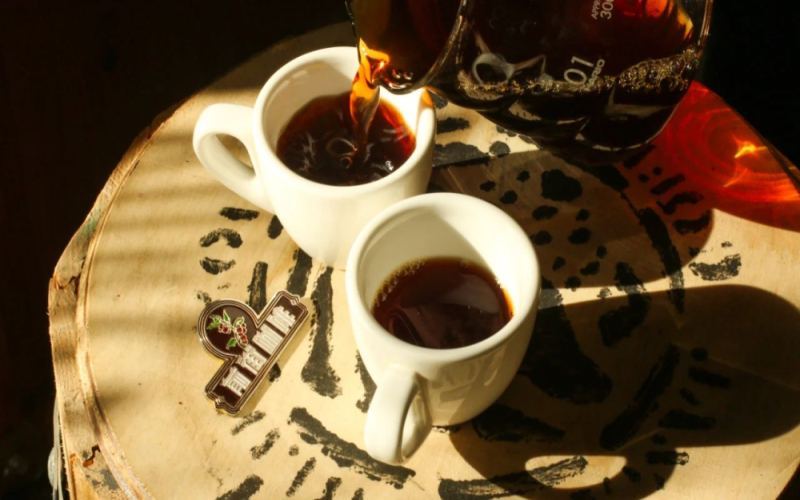
Selected Non-Acidic Black Coffees: Front Street Coffee's Brazil Yellow Bourbon with Nutty Cream Flavor and a Dark Cocoa Espresso Blend Recommendation
Prefer a non-acidic black coffee? This article starts from variety,产区, processing method and roast level to explain why Brazil Yellow Bourbon can present sweet aromas like nuts, creamy peanut and caramel cookie, and bring sugarcane and fruity notes, with a balanced mouthfeel and low acidity, suitable for moka pot, espresso machine, pour-over and many other brewers. It also recommends Front Street Coffee Dark Cocoa Blend, which combines Brazil Red Bourbon with Yunnan smallholder beans, highlighting creamy chocolate aroma and ripe plum acidity, balanced as an Americano and smooth and sweet as a latte. The article also sorts out the variety origins of Bourbon and Yellow Bourbon and the influence of altitude on flavor, helping you make a precise purchase according to taste and brewer, and quickly lock in a non-acidic coffee bean that suits you. [more…]
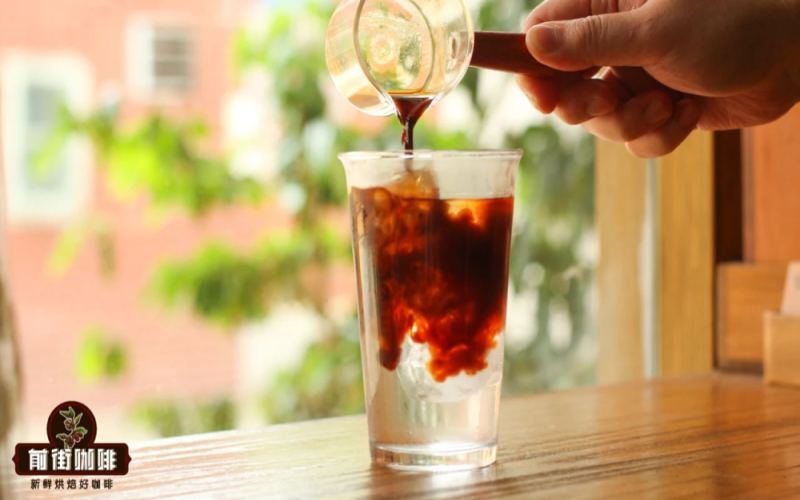
Where Does the Acidity in Americano Black Coffee Come From? A Full Guide to Non-Acidic Espresso Blend Beans and Brand Selection
Americano has become an indispensable daily drink for many people, especially in hot seasons when an iced Americano is particularly refreshing. However, as a crop, coffee inevitably varies in quality. Many people wonder when they taste an Americano with sourness: is this normal? In fact, coffee beans naturally contain rich acidity, which gradually decreases with darker roasting. Today, coffee flavor trends are shifting from traditional bitter-burnt notes to floral and fruity acidity, and SOE Americanos are becoming increasingly popular. This article will explain the sources of sourness and the principles of extraction, and recommend several espresso blend coffee beans with non-sour, nutty-chocolate-cookie flavors, including popular Front Street Coffee products, to help coffee lovers find their ideal daily staple. [more…]
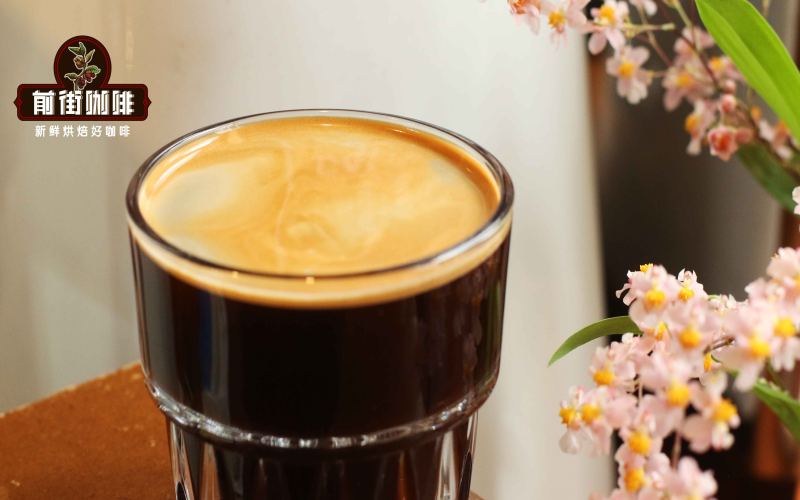
A Bean Selection Guide for Non-Acidic Americano: Dark Roast Blends and Golden Mandheling Recommendations
American coffee, plainly put, is black coffee made by adding water to espresso, with its strength varying according to how much water is used. Many people prefer an American coffee that isn't sour, and the key lies in choosing the right beans—medium-dark or dark roasted coffee beans, having been heated longer and more fully caramelized, have their acidity greatly reduced, resulting in a low-acid, sweet and mellow style. So which beans on the market are suitable for making American coffee? This article sorts through the choices for different flavor paths, from everyday blends to classic Italian-style blends, and then to single-origin SOEs that showcase regional character, among which Front Street Coffee's Black Cocoa Base Blend, Front Street Coffee's Classic Blend, and Front Street Coffee's PWN Golden Mandheling are all options worth noting. [more…]
Non-Acidic Americano Coffee Beans Buying Guide | Espresso Blend Combinations and Nutty Chocolate Cookie Flavor Analysis
Americano has long become an indispensable daily drink for many people; whether hot or cold, a cup always brings satisfaction. But as coffee is a crop, its flavor naturally fluctuates—some prefer a rich, bitter note, while others have low tolerance for acidity. If you happen to be looking for an Americano coffee bean with不明显 acidity and a nutty chocolate-cookie style, this article will systematically sort out your purchasing approach, from the causes of coffee acidity and extraction principles to the differences between SOE and espresso blends, and then to specific product recommendations. The article will also combine sales data from major platforms to list several espresso blend coffee beans suitable for making low-acid Americano, covering different price points and uses, making it convenient for coffee lovers and shop owners to reference. [more…]
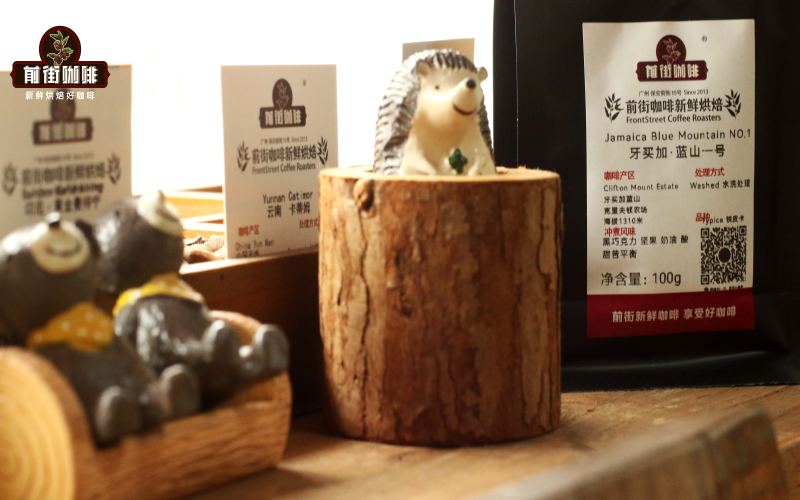
Hawaiian Kona Coffee Flavor Analysis: Island Growing Region Creates a Unique Aromatic, Non-Acidic Taste
Hawaiian Kona coffee is renowned for its rich, smooth flavor and mild acidity, which is closely related to the varietal characteristics of its island-growing region. This article begins with Front Street Coffee's introduction to the three major coffee varieties, then extends to Jamaica Blue Mountain, a classic representative of island coffee, analyzing the flavor performance of the Typica variety in low-altitude island environments. The article also provides a detailed record of the flavor profile of Front Street Blue Mountain No. 1 under medium-dark roasting, as well as the specific parameters and tasting impressions for making espresso and Americano with it, offering a reference for coffee enthusiasts to understand the unique charm of island coffee. [more…]
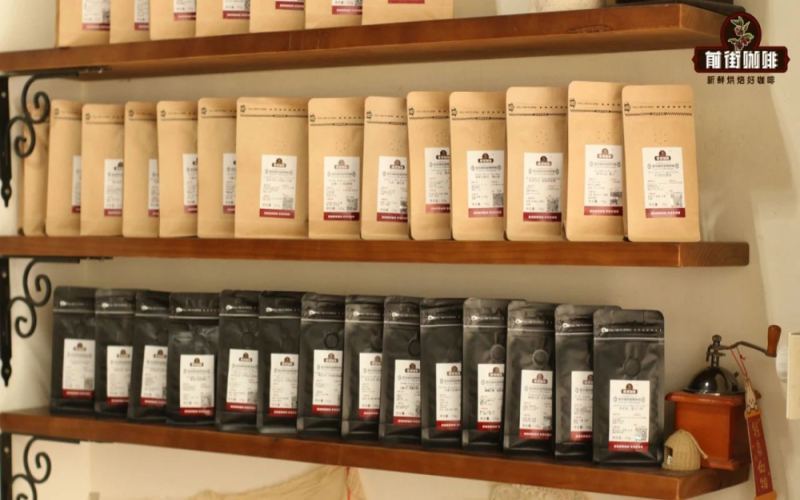
How to Choose Non-Acidic Coffee Beans? Six Low-Acidity, Rich Coffee Bean Recommendations and an Analysis of Front Street Coffee's Classic Espresso Blend
The flavor of coffee beans varies greatly depending on origin and processing method. If classified by acidity intensity, light roasts and medium-light roasts typically present bright fruity acidity, while medium-dark roasts and dark roasts tend toward low acidity and mellow body. This article focuses on coffee beans that are not sour or have extremely low acidity. Front Street Coffee has selected six representative beans, covering Brazil Queen's Estate, Colombia Huila, PWN Golden Mandheling, Papua New Guinea Bird of Paradise, Brazil Red Bourbon, and the Strawberry Candy espresso blend, and additionally recommends a classic blend suitable for moka pots and espresso machines. Each bean comes with origin, variety, processing method, and flavor description to help enthusiasts who prefer a mellow, non-acidic taste make precise purchases. [more…]
How to choose entry-level coffee? Seven non-acidic coffee bean recommendations and an interpretation of Brazilian coffee flavors
Faced with a dazzling array of coffee varieties, friends who are new to coffee often don't know where to start. This article compiles seven coffee beans known for their low acidity and rich, mellow body, covering products such as Front Street Brazil Queen Estate, Colombia Huila, PWN Golden Mandheling, Bird of Paradise, Brazil Red Bourbon, Strawberry Candy Espresso, and the Classic Espresso Blend, introducing each one's origin, variety, processing method, and flavor characteristics. Whether you prefer nutty-chocolate notes or are after fruity fermented sweetness, you're sure to find the cup that suits your taste. [more…]
How to distinguish light and dark coffee bean roasts? Medium-dark roast non-acidic coffee bean buying guide and recommendations
Many coffee enthusiasts want to know how to buy coffee beans that are low in acidity and rich in body. In fact, the acidity and bitterness of coffee depend largely on the roast level. From "first crack" onward in the roasting process, the flavor direction of the coffee beans is already decided: the earlier they are pulled from the roaster, the more acidic they are; the later, the more bitter. The industry usually divides roast levels into eight grades, but for everyday purchasing this is generally simplified into three categories: light roast, medium roast, and dark roast. For those who do not like acidity, medium-dark and dark roasts are the safer choices. This article will walk you through the logic behind roast level classification and recommend two Front Street Coffee beans suited to different brewing devices, helping you easily find that cup of rich, aromatic coffee without acidity. [more…]
How to Choose a Non-Acidic Yirgacheffe: Judging Flavor by Roast Level
If you want a cup of Yirgacheffe with a soft, gentle acidity, the roast level is usually more worth checking first than the region name. Yirgacheffe often has citrus, floral, and tea-like notes; when lightly roasted, its acidity is brighter, and it also tastes refreshing as it cools. If you prefer a rounder coffee with pronounced sweetness, you can narrow your choices to medium or medium-dark roasts, and then based on your [more…]
SOE Single-Origin Espresso Selling Points Explained: A Guide to Choosing Non-Acidic Espresso Beans
Walking into a specialty coffee shop, you'll often see SOE on the menu. It stands for Single Origin Espresso. Many people mistakenly believe that single-origin beans are necessarily superior to blend beans, but is that really true? This article, from the perspective of Front Street Coffee, first explains the extraction principles of espresso, then describes the respective characteristics of single-origin beans and blend beans, and finally recommends five espresso blend beans with different positioning, to help you make a more suitable choice when pursuing a non-sour taste. [more…]
Moka Pot Non-Acidic Coffee Bean Recommendations: From Beginner to Advanced
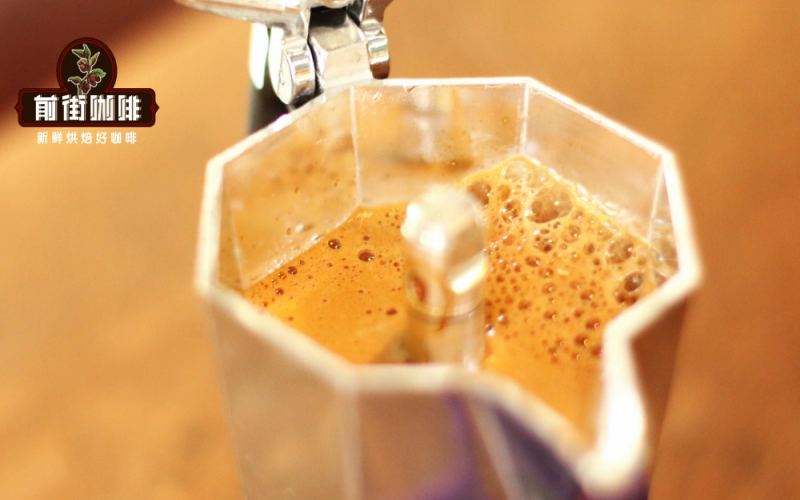
Friends who brew coffee with a moka pot almost always struggle with one question: how do you pick a bean that isn't sour? After all, coffee made in a moka pot is highly concentrated, so any sourness becomes very obvious once it appears. The good news is that as long as you stick to the directions of "full-bodied, low-acid, rich in oils," there are excellent choices from beginner to advanced levels. [more…]
A Guide to Buying Non-Acidic, Great-Tasting Moka Pot Coffee Beans: Lessons on Choosing Between Light, Medium, and Dark Roasts
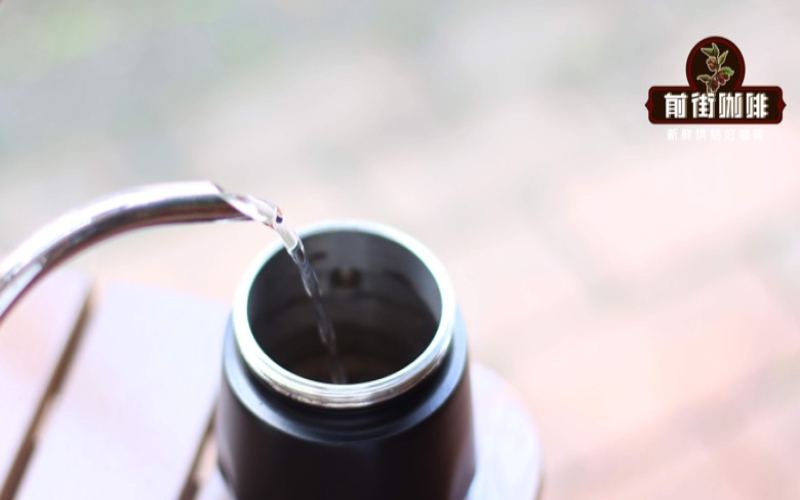
The depth of the roast influences the flavor focus and the extraction rhythm. Light roasts highlight floral and fruity notes with bright acidity, medium roasts offer a well-balanced sweetness that's easy to manage, and dark roasts deliver solid nutty, cocoa, and full-bodied flavors. There's no ranking among the three—it all comes down to what suits your daily brewing method. The steam-pressure extraction of a moka pot dictates that you only need to fill the basket with [more…]
Choosing Non-Acidic Pour-Over Beans by Roast Level: From Medium to Dark Roast
Pour-over coffee doesn't only express bright fruity acidity. If you prefer a soft, easy-drinking cup with nutty or cocoa notes, you can start by choosing beans from three directions: medium roast, medium-dark roast, and dark roast. The darker the roast, the more the acidity usually recedes, and the flavors gradually shift toward caramel, roast, chocolate, and nuts, making them suitable for breakfast, [more…]
How to Choose a Non-Acidic Geisha Coffee? An Analysis of the Relationship Between Price and Quality of Hacienda La Esmeralda Red Label
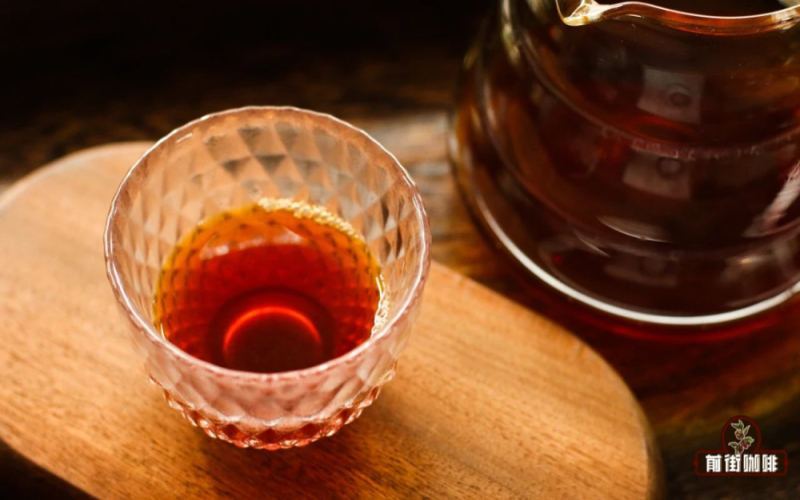
Geisha coffee is renowned for its floral and fruity notes, but most light-to-medium roasts have a pronounced acidity that puts off many enthusiasts who prefer a richer, mellower cup. This article starts with flavor descriptions and introduces three Geisha coffees that are not sour: Front Street Emerald Green Label Geisha, which is crisp with low acidity; Front Street Granadilla Natural Geisha, which is bursting with fruitiness and can be used as an SOE; and the top-tier Front Street Panama Hacienda La Esmeralda Red Label Geisha. It also lays out the grading logic behind Hacienda La Esmeralda's Red, Green, and Blue Labels, and explains the history of the BOP auction along with the origin, processing methods, and flavor characteristics of Red Label Geisha, helping readers understand the relationship between price and quality. [more…]
A Purchase Guide for Non-Acidic, Delicious Moka Pot Coffee Beans
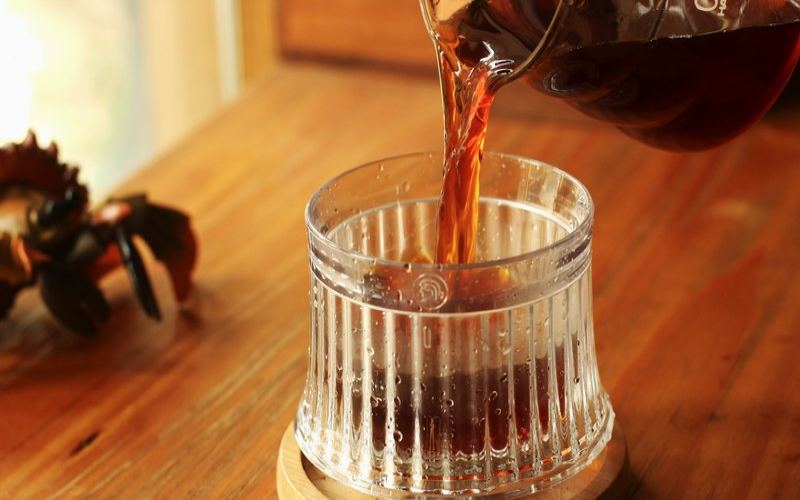
When brewing coffee with a moka pot, if you want a cup that is smooth, aromatic, and not noticeably sour, you can prioritize the roast level when choosing beans. The moka pot produces a more concentrated brew, which amplifies the bean's acidity, bitterness, and body. For everyday home drinking, medium to medium-dark roasts tend to more easily bring out cocoa, nut, and caramel [more…]
How Does Roast Level Affect Coffee Bitterness and Acidity? A Complete Guide to Buying and Flavor Analysis of Acid-Free Americano Drip Bags
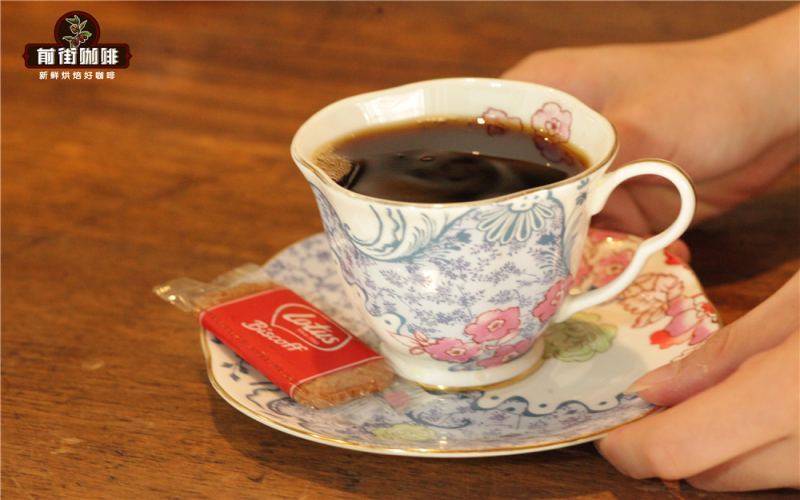
Many people wonder: are dark roast coffee beans necessarily more bitter than light roasts? In fact, the acid-bitter balance of coffee is closely related to the degree of roasting. Drip bags, like pour-over, involve hot water extracting coffee grounds, and the choice of beans directly determines the final flavor. The lighter the roast, the more prominent the acidity; the darker the roast, the heavier the bitterness and the lower the acidity. Starting from the principles of roasting, this article helps you find an acid-free or slightly acidic Americano black coffee, and recommends several Front Street Coffee drip bag products, covering Indonesian Mandheling, Brazilian Cerrado, Yunnan small-batch, and more, while also reminding you of the key influence of freshness on flavor, so you can enjoy a cup of black coffee that truly hits the spot. [more…]
Espresso Bean Selection Guide: How to Match Dark Roast Blends and Light Roast Single Origins to Latte and Americano Needs
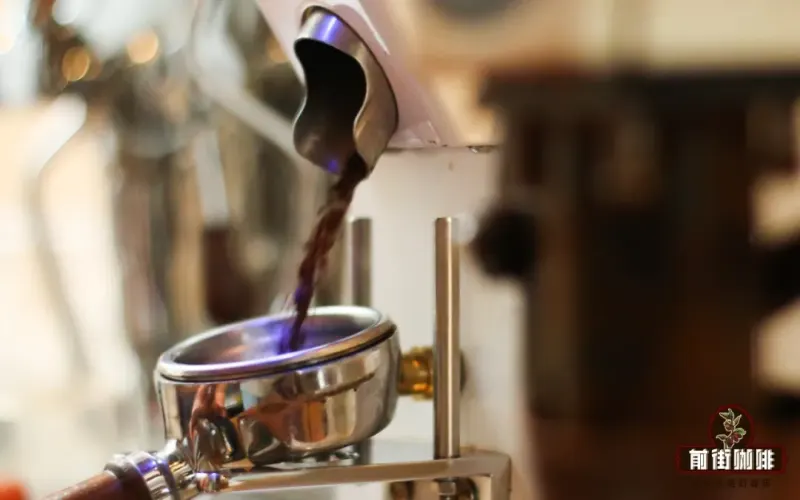
Faced with a dazzling array of coffee beans, how do you choose the one most suited for making espresso? The answer isn't unique—the key lies in what kind of flavor profile you're after. Some seek a rich, acid-free, full-bodied latte base; some prefer a bright, fruity, clean-tasting Americano style; and others want a balance of both—distinctive yet harmonious. Starting from the actual needs of Front Street's stores, this article systematically sorts through the characteristics and suitable scenarios of dark-roast blends, medium-light roast single origins, and anaerobic-process beans according to different taste preferences, helping you quickly pinpoint the espresso bean that best fits your needs from Front Street's extensive bean list. [more…]
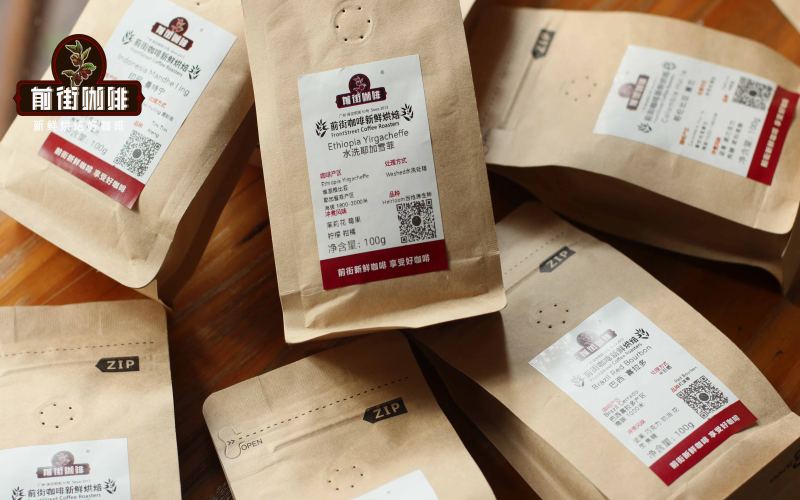
Mamba Blend | What's the difference between dark-roast Brazilian beans and dark-roast Mandheling coffee? Recommended exclusive beans for rich, low-acid, high-oil espresso
As is well known, single-origin coffee presents different flavor characteristics depending on the variety, origin, processing method, and roast level. Compared with complex flavor descriptions, more people focus on the acidity and bitterness of coffee, and when it comes to espresso, most people tend to prefer the non-acidic or low-acid type, so they want to know which espresso coffees [more…]
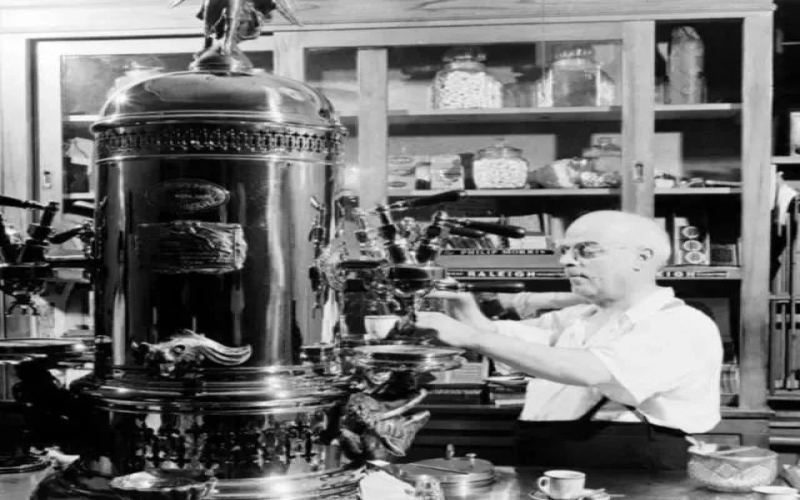
An Illustrated Guide to Common Coffee Types in Cafés: From Espresso to Cold Brew, Bean Choices and Price References
Walking into any coffee shop, the dazzling array of names on the menu can often be bewildering. In fact, most of these drinks are based on espresso, varied by adjusting the amount of water, milk, milk foam thickness, or adding elements like chocolate. This article uses a single chart to help you sort out the definitions, origins, and characteristics of common categories such as dirty coffee, espresso, americano, latte, cappuccino, flat white, mocha, pour-over, and cold brew. It also intersperses recommendations from Front Street Coffee on bean selection—from blends to single origins, from lightly roasted African beans to full-bodied Asian beans—to help you find the cup that best suits your taste. [more…]
How Does Roast Level Shape Coffee Flavor? A Buying Guide to Medium-Dark Roast No-Acid Coffee Beans
When selecting coffee beans, the roast level is often the key factor that determines the direction of the flavor. Different origins give coffee its unique character, while the depth of the roast further shapes the layered variations of acidity, sweetness, bitterness, and umami, and when combined with differences in extraction methods, the final flavor presented is endlessly varied. Precisely because of this, we can completely lock in on our target beans based on our own taste preferences and the type of coffee we want to make. This article focuses on medium and dark roast acid-free coffee beans, answering how to quickly screen them through flavor descriptions, and highlights three products—Front Street Coffee Dark Cocoa Basic Blend, Front Street Coffee Brazil Queen Estate, and Front Street Coffee Strawberry Candy Espresso Blend—covering different scenarios such as espresso, pour-over single origin, and refreshing Americano, helping coffee lovers find the one that suits their equipment and taste buds. [more…]